
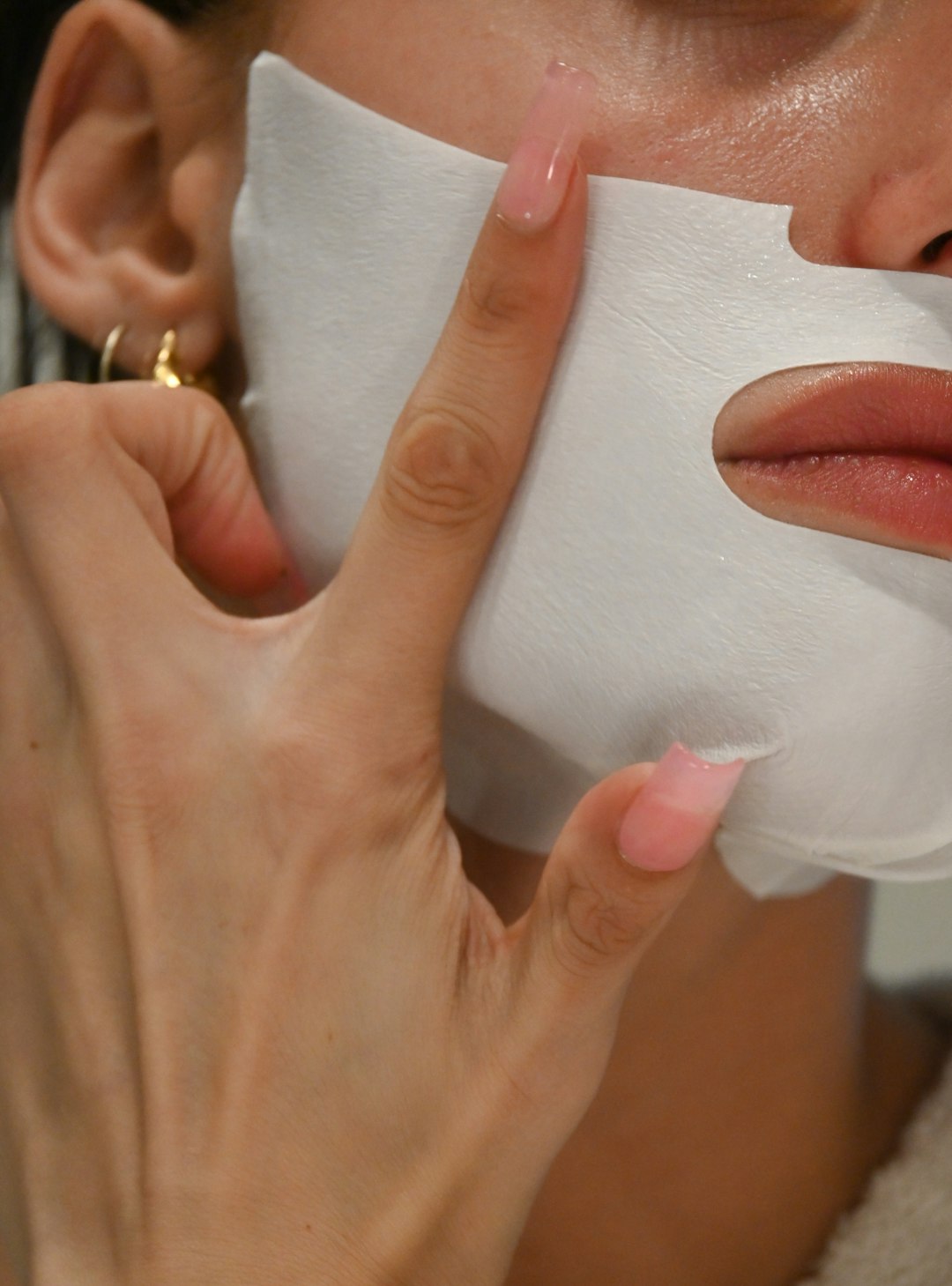
Does more skincare layering actually hinder absorption? The answer is nuanced – while excessive layering can create barriers, strategic application maximizes ingredient penetration and skin benefits when done correctly.
• Optimal layering follows the thinnest-to-thickest rule
• Timing between layers prevents product interference
• Proper cleansing creates the ideal foundation for absorption
• Quality over quantity delivers superior results
• Individual skin needs determine the perfect routine length
Understanding Skincare Layering and Absorption
The relationship between skincare layering and absorption isn’t simply about quantity. Research published in the Journal of Cosmetic Dermatology demonstrates that skin can effectively absorb multiple products when applied correctly, with the stratum corneum capable of accommodating various molecular weights simultaneously.
The key lies in understanding your skin’s absorption capacity, which varies based on factors like age, skin type, and environmental conditions. Studies show that healthy adult skin can process 3-7 skincare products effectively when proper application techniques are followed.
Factors Affecting Absorption Efficiency
Several elements influence how well your skin absorbs layered products:
Molecular Size: Smaller molecules penetrate deeper, while larger ones work on the surface. Hyaluronic acid fragments under 50 kDa show significantly better penetration rates compared to high molecular weight versions.
pH Levels: Products with compatible pH ranges (4.5-6.5) enhance absorption. Mixing products with drastically different pH levels can neutralize active ingredients or cause irritation.
Application Timing: Allowing 30-60 seconds between layers prevents product mixing and ensures proper absorption. This timing allows the previous layer to partially absorb while maintaining skin moisture for the next application.
The Science Behind Product Penetration
Understanding skin barrier function reveals why strategic skincare layering works better than random application. The epidermis contains approximately 15-20 cell layers, with the stratum corneum acting as both protector and selective barrier.
Penetration Enhancement Mechanisms
Effective layering utilizes several penetration enhancement principles. Research from the National Center for Biotechnology Information identifies key mechanisms that improve ingredient delivery through strategic application.
Occlusion Enhancement: Each properly applied layer creates mild occlusion, increasing skin hydration and improving subsequent product penetration by up to 30%.
Vehicle Optimization: Water-based products prepare the skin for oil-based formulations, creating an optimal environment for diverse ingredient types.
Absorption Saturation Points
Skin reaches absorption saturation when too many products compete for penetration pathways. Clinical studies indicate that applying more than 5-7 products simultaneously can reduce overall absorption efficiency by 15-25%.
Signs of absorption saturation include:
• Products sitting on the skin surface
• Pilling or balling of subsequent layers
• Reduced efficacy of active ingredients
• Increased sensitivity or irritation
Essential Cleansing Foundation for Layering
Proper cleansing creates the foundation for effective skincare layering. The debate between single and double cleansing significantly impacts how well subsequent products absorb into your skin.
Single vs Double Cleansing: When Each Works Best
For 30s dry skin, the choice between cleansing oil and cleansing milk depends on your evening routine and makeup habits. Cleansing oil excels at removing stubborn makeup and sunscreen while maintaining the skin barrier, making it ideal for those who wear heavy makeup or waterproof products daily.
Cleansing milk offers gentler cleansing suitable for sensitive or already compromised dry skin. It provides adequate cleansing for light makeup while preserving natural oils, making it perfect for evening routines when you haven’t worn heavy products.
Single cleansing suffices when:
• You wear minimal or no makeup
• Using only mineral sunscreen
• Your skin feels tight after double cleansing
• You have sensitive or compromised skin barriers
Optimizing Cleansing for Better Absorption
The cleansing step directly impacts how well your skin absorbs subsequent skincare layering. Clean skin shows 40-60% better absorption rates compared to incompletely cleansed skin, according to dermatological studies.
For working professionals in their 30s, establishing an effective cleansing routine becomes crucial as skin renewal slows and environmental exposure increases. This foundation step determines the success of your entire skincare layering approach.
Optimal Layering Sequence for Maximum Benefits
The correct skincare layering sequence follows scientific principles rather than arbitrary rules. Understanding molecular weights and product formulations helps create an effective routine that maximizes absorption while preventing interference.
The Universal Layering Rule
Apply products from thinnest to thickest consistency, which naturally follows the molecular weight hierarchy. This approach, validated by cosmetic chemistry research, ensures each product can penetrate effectively without being blocked by heavier formulations.
Proven layering sequence:
1. Water-based serums (toners, essences, lightweight serums)
2. Treatment serums (vitamin C, niacinamide, peptides)
3. Hydrating products (hyaluronic acid, moisturizing serums)
4. Moisturizers (creams, balms)
5. Occlusive products (face oils, thick balms, sunscreen)
Timing Between Layers
Wait times between skincare layering applications significantly impact absorption efficiency. Research shows that 30-60 seconds between layers optimizes penetration while preventing product interference.
For active ingredients like vitamin C or niacinamide, extending wait times to 2-3 minutes can improve stability and reduce potential interactions. KLEORIN’s Vitamin C Brightening Serum, formulated with stabilized vitamin C, glutathione, and niacinamide, works best when given adequate absorption time before applying heavier products.
Streamlined 3-Product Summer Routine
Slow skincare principles demonstrate that fewer, well-chosen products often outperform extensive routines. For 30s working professionals preparing for summer, a strategic 3-product routine can deliver excellent results while preventing absorption overwhelm.
This approach aligns with findings from slow beauty routine practices that emphasize quality over quantity for sustainable, effective skincare.
Morning 3-Step Summer Prep
Step 1: Gentle Cleanser
Choose a pH-balanced cleanser that removes overnight impurities without stripping natural oils. This creates the clean foundation necessary for optimal product absorption.
Step 2: Antioxidant Treatment
Apply a comprehensive serum containing multiple antioxidants. KLEORIN’s Vitamin C Brightening Serum combines vitamin C, glutathione, and niacinamide to address multiple skin concerns in one application, eliminating the need for multiple treatment products.
Step 3: Broad-Spectrum Protection
Finish with sunscreen containing additional beneficial ingredients. KLEORIN’s upcoming Airfit Sunscreen includes madecassoside, panthenol, and hyaluronic acid, providing protection while delivering skincare benefits.
Evening Simplification Strategy
Evening routines can be even more streamlined, focusing on repair and hydration. The simplified approach prevents skincare layering overload while maximizing overnight skin recovery.
For dry skin types in their 30s, evening cleansing with a nourishing cleansing milk followed by a hydrating serum and moisturizer provides complete care without overwhelming the skin’s absorption capacity.
Common Layering Mistakes to Avoid
Even well-intentioned skincare layering can backfire when common mistakes interfere with product effectiveness. Understanding these pitfalls helps optimize your routine for maximum absorption and benefits.
Overloading Active Ingredients
Combining too many active ingredients in skincare layering can cause sensitivity, reduce effectiveness, or create product instability. Limit active ingredients to 1-2 per routine, focusing on your primary skin concerns.
Common problematic combinations include:
• Vitamin C with retinol (use in different routines)
• Multiple acids (AHA, BHA, PHA) simultaneously
• High-concentration niacinamide with vitamin C (timing matters)
• Peptides with acids (pH incompatibility)
Rushing Application
Hurried application represents one of the most common skincare layering errors. Each product needs adequate time to begin absorbing before the next layer application.
Professional-grade products like those in KLEORIN’s line are formulated for optimal absorption when given proper application time. Rushing reduces their effectiveness and can lead to product pilling or poor penetration.
FAQ
How many products can I safely layer without hindering absorption?
Most skin types can effectively absorb 3-5 products when applied correctly with proper timing. The key is following the thin-to-thick rule and allowing 30-60 seconds between layers. Quality formulations and correct application technique matter more than strict product limits.
Should I wait between each layer, and if so, how long?
Yes, waiting between skincare layering applications improves absorption and prevents product interference. Wait 30-60 seconds for lightweight products like serums, and up to 2-3 minutes for active ingredients like vitamin C or retinol. Your skin should feel slightly tacky but not wet before applying the next product.
Can too much layering actually damage my skin barrier?
Excessive skincare layering can potentially compromise your skin barrier, especially when combining incompatible ingredients or over-exfoliating. Signs include increased sensitivity, redness, or products not absorbing properly. If this occurs, simplify your routine and focus on barrier repair with gentle, hydrating products.
Is it better to use fewer, multi-functional products or many single-ingredient products?
Multi-functional products often provide better results with less potential for ingredient conflicts. Well-formulated products like KLEORIN’s Vitamin C Brightening Serum combine complementary ingredients that work synergistically, reducing the need for multiple layers while maintaining effectiveness.
Effective skincare layering focuses on strategic application rather than product quantity. By understanding absorption principles, choosing quality formulations, and following proper application techniques, you can build a routine that delivers maximum benefits without overwhelming your skin. Remember that consistency and patience with fewer, well-chosen products often produces better long-term results than complex multi-step routines.
Start with a simplified 3-product routine and gradually adjust based on your skin’s response. Focus on proper cleansing, targeted treatment, and protection as your foundation, then add additional products only if needed for specific concerns.