
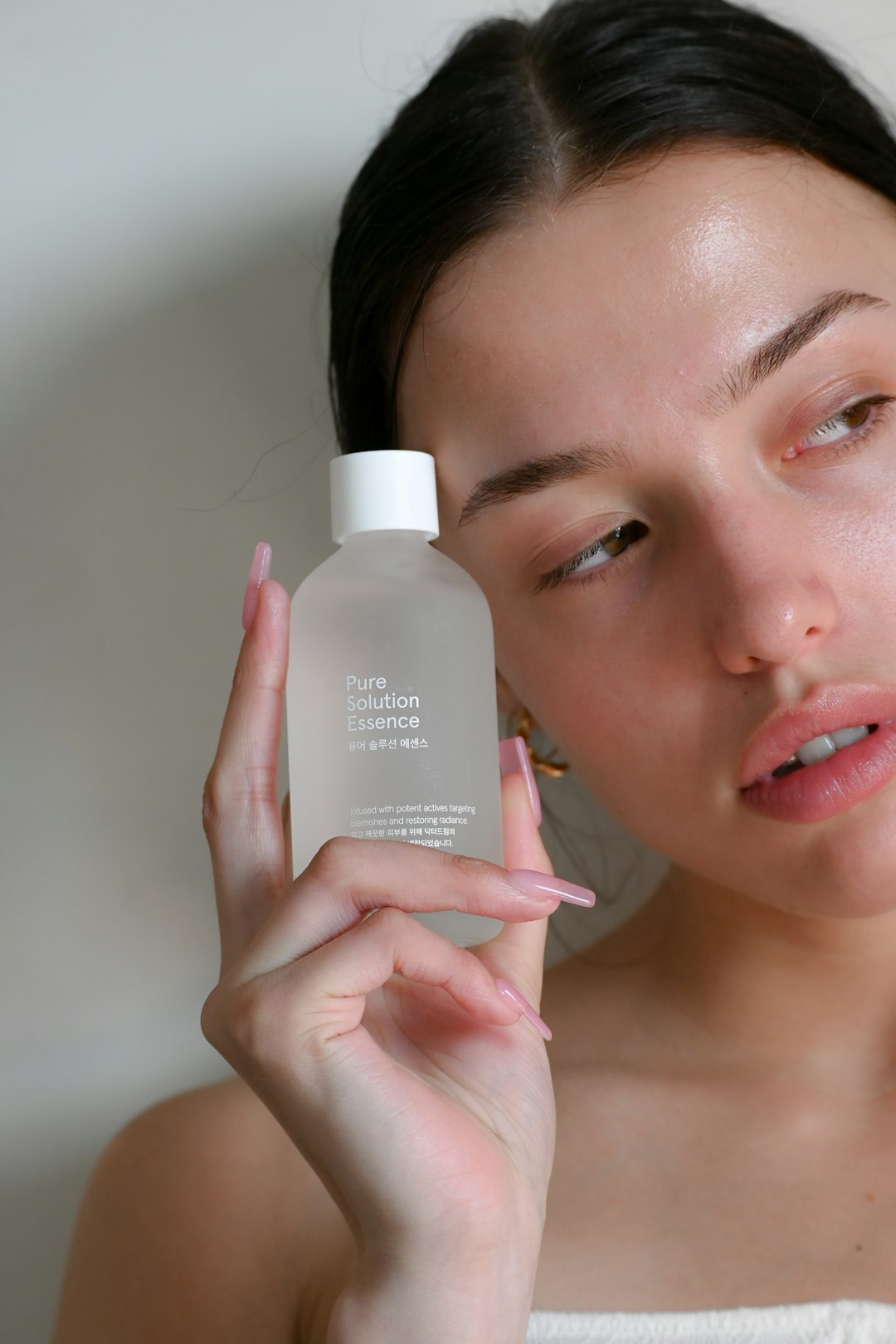
Using serum after cleansing without toner is possible when your skin barrier is stable and the serum contains hydrating ingredients. This minimal approach works for healthy skin that doesn’t require the pH-balancing or additional moisture that toners typically provide.
• Stable skin barrier allows direct serum application
• Serum must contain hydrating and barrier-supporting ingredients
• Skin should show no signs of irritation or compromised barrier function
• Morning and evening application requires different considerations
• Gradual transition period of 2-3 weeks helps skin adjust
When Serum After Cleansing Works: Understanding Your Skin’s Readiness
The concept of applying serum after cleansing directly challenges traditional skincare wisdom, but research supports this approach under specific conditions. A 2019 study published in the Journal of Clinical Medicine found that healthy skin can effectively absorb active ingredients immediately after cleansing when the barrier function remains intact.
Signs Your Skin Can Handle Direct Serum Application
Your skin demonstrates readiness for serum after cleansing when it exhibits consistent moisture retention, absence of tightness post-cleansing, and no visible irritation or flaking. These indicators suggest a robust barrier function that can handle active ingredients without the buffering effect of toner.
Women in their 30s with naturally balanced skin often find this approach particularly effective. Their sebum production typically stabilizes around this age, creating optimal conditions for minimal skincare routines that focus on targeted benefits rather than extensive layering.
The Science Behind Skipping Toner
Traditional toners were formulated to remove residual cleanser and restore skin pH, but modern gentle cleansers rarely disrupt the skin’s natural pH balance significantly. According to dermatological research, healthy skin naturally returns to its optimal pH of 4.5-5.5 within 15-30 minutes after cleansing, making toner less essential for pH restoration.
Essential Skin Conditions for Skipping Toner Successfully
Barrier Function Assessment
Your skin barrier must demonstrate three key characteristics for successful serum after cleansing application. First, transepidermal water loss (TEWL) should remain within normal ranges, typically below 25 g/h/m². Second, the skin should maintain hydration levels above 40% as measured by corneometer readings. Third, there should be no signs of compromised barrier function such as persistent redness, sensitivity, or delayed healing.
Professional dermatologists often use these measurements to determine if patients can safely transition to minimal beauty routines that eliminate unnecessary steps while maintaining skin health.
Age and Skin Type Considerations
Women in their 30s typically have the most success with serum after cleansing approaches due to optimal sebum production and established barrier function. However, this doesn’t exclude other age groups – the key factors remain barrier integrity and skin responsiveness rather than chronological age alone.
Normal to combination skin types show the highest success rates with this minimal approach. Dry skin may require additional hydration support, while very oily skin might benefit from toner’s oil-control properties during the initial transition period.
Critical Serum Requirements for Minimal Routine Success
Hydrating and Functional Ingredients
Effective serum after cleansing requires formulations that combine active ingredients with hydrating components. Niacinamide, for example, provides multiple benefits including barrier strengthening, oil regulation, and brightening while supporting skin hydration. Research shows that niacinamide concentrations between 2-5% offer optimal results without irritation risk.
KLEORIN’s Vitamin C Brightening Serum exemplifies this multifunctional approach, combining niacinamide, glutathione, and vitamin C with hydrating ingredients. This formulation supports the skin’s natural barrier while delivering targeted benefits, making it suitable for direct application after cleansing.
Molecular Weight and Penetration
Serums designed for minimal routines must contain ingredients with varying molecular weights to address both surface hydration and deeper skin layers. Hyaluronic acid provides immediate surface hydration, while smaller molecules like niacinamide penetrate deeper to support long-term skin health.
The absence of alcohol and harsh preservatives becomes crucial when applying serum after cleansing, as freshly cleansed skin shows increased permeability. Gentle, pH-balanced formulations prevent irritation while maximizing ingredient absorption.
Optimal Timing and Application Guidelines
Morning Application Protocol
Morning serum after cleansing requires specific timing considerations, especially for active lifestyles. Apply serum immediately after cleansing while skin retains slight moisture, then allow 3-5 minutes for absorption before sunscreen application. This timing ensures optimal ingredient penetration without compromising sun protection efficacy.
For yoga enthusiasts or those engaging in morning exercise, post-workout cleansing and serum reapplication may be necessary. Sweat can dilute active ingredients and compromise their effectiveness, particularly for products containing water-soluble vitamins like vitamin C.
Evening Routine Adjustments
Evening serum after cleansing applications can be more generous, as skin has the entire night for ingredient absorption and barrier repair. However, the same 3-5 minute absorption period before additional products (if any) remains important for optimal results.
The skin’s natural repair cycle peaks between 11 PM and 3 AM, making evening serum application particularly beneficial for ingredients like niacinamide and antioxidants that support this natural renewal process.
Building an Effective Minimal Routine
Transition Period Management
Transitioning to serum after cleansing requires a gradual approach over 2-3 weeks. Begin by alternating days between your full routine and the minimal approach, monitoring skin response carefully. Signs of successful transition include maintained hydration, stable skin texture, and absence of irritation or increased sensitivity.
During this transition period, pay particular attention to environmental factors that might affect skin needs. Seasonal changes, stress levels, and hormonal fluctuations can temporarily alter skin requirements, necessitating routine adjustments.
Product Selection Strategy
Successful minimal routines center on multifunctional products that address multiple skin concerns simultaneously. Clinical studies demonstrate that combining complementary active ingredients like niacinamide and vitamin C can enhance overall efficacy while simplifying application routines.
The key lies in selecting serums that provide both immediate and long-term benefits. Immediate benefits include hydration and comfort, while long-term benefits encompass barrier strengthening, tone improvement, and overall skin health enhancement.
Monitoring and Adjustment
Regular skin assessment becomes crucial when using serum after cleansing approaches. Weekly skin checks should include hydration levels, barrier function signs, and any changes in skin texture or appearance. This monitoring helps identify when routine adjustments might be necessary.
Consider keeping a simple skin diary noting daily skin condition, product application, and any environmental or lifestyle factors that might influence skin response. This data helps optimize your minimal routine over time.
Frequently Asked Questions
Can I use the same serum for morning and evening application?
Yes, you can use the same serum for both morning and evening applications if it contains stable, non-photosensitizing ingredients. Serums with niacinamide, hyaluronic acid, and antioxidants like glutathione work well for twice-daily use. However, ensure your morning routine includes adequate sun protection, as some active ingredients may increase photosensitivity.
How long should I wait before applying sunscreen after serum?
Wait 3-5 minutes after serum application before applying sunscreen. This timing allows the serum to absorb properly without diluting either product’s effectiveness. If you notice pilling or reduced sunscreen adhesion, extend the waiting period to 5-7 minutes, especially with water-based serums.
What should I do if my skin feels tight after cleansing without toner?
Skin tightness after cleansing indicates potential barrier disruption or inadequate hydration. Consider switching to a gentler cleanser, applying serum to slightly damp skin, or temporarily reintroducing a hydrating toner until your barrier function stabilizes. This approach helps maintain the minimal routine goal while addressing immediate skin needs.
Should I reapply serum after exercise and cleansing?
Post-exercise cleansing typically requires serum reapplication, especially if you’ve sweated significantly. Sweat can dilute active ingredients and compromise their effectiveness. For morning workouts, cleanse gently and reapply serum before sunscreen. Evening workouts may require full routine repetition depending on when you exercise.
How do I know if my skin barrier is stable enough for this approach?
Stable skin barriers demonstrate consistent hydration, absence of post-cleansing tightness, no visible flaking or irritation, and normal healing time for minor blemishes. If you experience persistent sensitivity, delayed healing, or increased dryness, your barrier may need additional support before transitioning to minimal routines.
Successfully implementing serum after cleansing requires understanding your skin’s unique needs and selecting appropriate products that provide both hydration and active benefits. Start gradually, monitor your skin’s response, and remember that effective skincare prioritizes skin health over routine complexity. For those ready to embrace minimal beauty approaches, quality serums with proven ingredients like niacinamide offer an excellent starting point for simplified yet effective daily skincare.