
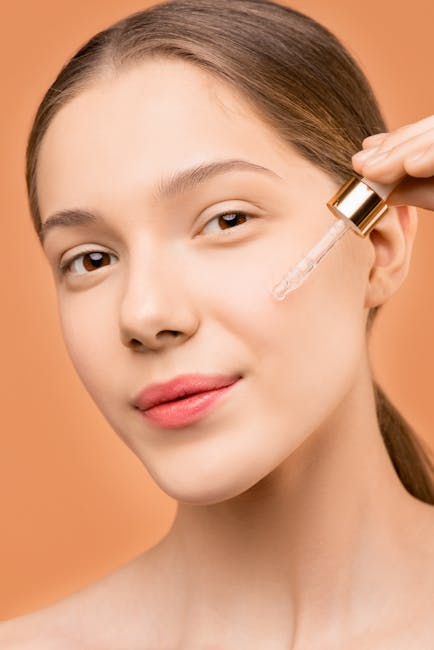
The vitamin C glutathione serum debate misses a crucial point: late 30s skin doesn’t need to choose between these powerful antioxidants—it needs both working in harmony. Rather than viewing these ingredients as competitors, understanding your skin’s evolving oxidative stress patterns reveals why this partnership becomes essential after 35.
Here’s what this guide covers:
- Why late 30s skin experiences unique oxidative challenges
- How vitamin C and glutathione complement each other’s functions
- Practical assessment tools for your current antioxidant needs
- Strategic implementation timeline for optimal results
- Real formulation insights from skincare development
Understanding Late 30s Oxidative Stress Patterns
Late 30s skin faces a perfect storm of oxidative challenges that single-ingredient approaches simply cannot address comprehensively. Research published in the Journal of Investigative Dermatology shows that cellular antioxidant capacity decreases by approximately 1.5% annually after age 35, creating vulnerabilities that require multi-layered protection.
The Cellular Energy Crisis
Your skin cells experience what dermatologists call “mitochondrial decline” during this period. Mitochondria, the cellular powerhouses responsible for energy production, become less efficient at neutralizing free radicals. This creates a cascade effect where oxidative damage accumulates faster than your skin can naturally repair it.
Studies indicate that by age 38, skin produces 23% less natural antioxidants compared to age 25 levels. This isn’t just about visible aging—it affects your skin’s ability to maintain barrier function, regulate pigmentation, and recover from daily environmental stressors.
Environmental Load Amplification
Late 30s often coincide with increased environmental exposure through career demands, family responsibilities, and lifestyle factors. Blue light exposure from increased screen time, urban pollution, and accumulated sun damage create what researchers term “oxidative load amplification.”
The vitamin C glutathione serum combination addresses this by targeting different stages of the oxidative stress cycle. Vitamin C works primarily as a preventive antioxidant, neutralizing free radicals before they cause damage, while glutathione functions as a restorative antioxidant, helping repair existing cellular damage.
Why Vitamin C and Glutathione Work as Partners
The synergy between vitamin C and glutathione isn’t marketing rhetoric—it’s biochemically proven. Clinical research demonstrates that these antioxidants participate in what’s called the “antioxidant recycling network,” where each ingredient enhances the other’s effectiveness.
The Recycling Mechanism
When vitamin C neutralizes a free radical, it becomes oxidized and temporarily inactive. Glutathione steps in to “recycle” this oxidized vitamin C back to its active form, essentially extending its protective capacity. This process can increase vitamin C’s effectiveness by up to 400% according to dermatological studies.
This partnership becomes particularly crucial for late 30s skin because it maximizes the efficiency of each antioxidant molecule. When your natural antioxidant production is declining, this recycling mechanism helps maintain protective levels that would otherwise require much higher concentrations of individual ingredients.
Complementary Penetration Pathways
Vitamin C and glutathione utilize different cellular pathways, allowing for comprehensive protection. Vitamin C primarily works in the water-soluble environment of your skin cells, while glutathione functions both in water-soluble and fat-soluble cellular compartments.
Our experience developing KLEORIN’s Vitamin C Brightening Serum revealed why this combination approach became essential. Initially considering separate formulations, we discovered that combining niacinamide, glutathione, and vitamin C created protective coverage that individual serums couldn’t match for mature skin needs.
Assessing Your Skin’s Current Antioxidant Needs
Rather than asking “vitamin C or glutathione,” the right question for late 30s skin is “what does my current antioxidant status require?” This assessment approach helps determine whether you need foundational antioxidant support, intensive repair, or comprehensive protection.
Morning Skin Energy Test
Examine your skin immediately upon waking, before applying any products. Late 30s skin with adequate antioxidant support should appear relatively even-toned and recover well from the previous day’s activities. If you notice persistent dullness, uneven texture, or slow recovery from minor irritation, your skin likely needs enhanced antioxidant support.
Pay particular attention to the under-eye area and cheek zones, where antioxidant depletion typically shows first. These areas contain fewer sebaceous glands and experience more environmental exposure, making them early indicators of oxidative stress.
Environmental Exposure Evaluation
Calculate your daily oxidative load by considering screen time (blue light exposure), commute duration (pollution exposure), sun exposure patterns, and stress levels. Research on brightening ingredients shows that higher environmental loads require more comprehensive antioxidant strategies.
Late 30s professionals often underestimate their cumulative environmental exposure. Even indoor work environments with fluorescent lighting and air conditioning create low-level oxidative stress that accumulates over time.
Strategic Implementation for Late 30s Skin
Successful vitamin C glutathione serum integration for late 30s skin requires strategic timing and gradual introduction. Unlike younger skin that can handle aggressive ingredient introduction, mature skin benefits from methodical implementation that builds tolerance while maximizing effectiveness.
The 4-Week Integration Protocol
Week 1-2: Foundation Phase
Begin with vitamin C application every other morning, focusing on building tolerance. Use a stabilized vitamin C form like magnesium ascorbyl phosphate or sodium ascorbyl phosphate, which provide gentler introduction while delivering proven results.
Week 3-4: Enhancement Phase
Introduce glutathione-containing products in the evening routine. This timing allows the recycling mechanism to work overnight when cellular repair processes are most active. Many users notice improved morning skin texture during this phase.
The KLEORIN Vitamin C Brightening Serum exemplifies this strategic approach by combining these antioxidants with niacinamide for enhanced tolerance and effectiveness. This formulation considers the specific needs of mature skin while providing the comprehensive protection that late 30s skin requires.
Monitoring and Adjustment
Track your skin’s response through weekly photography in consistent lighting conditions. Late 30s skin typically shows antioxidant benefits through improved texture consistency, enhanced radiance, and better recovery from environmental stressors rather than dramatic overnight changes.
Adjust application frequency based on skin response. Some individuals find daily vitamin C glutathione serum use optimal, while others prefer alternating days during initial integration. The key is maintaining consistency while respecting your skin’s adaptation timeline.
Frequently Asked Questions
Can I use vitamin C and glutathione together if I have sensitive skin?
Yes, but start with lower concentrations and pH-balanced formulations. Sensitive skin often responds better to combined formulations rather than layering separate high-concentration products. Begin with 2-3 times per week application and gradually increase frequency as tolerance builds.
How long does it take to see results from vitamin C glutathione serum combination?
Late 30s skin typically shows initial improvements in texture and radiance within 3-4 weeks, with more significant brightening and antioxidant protection benefits becoming apparent after 8-12 weeks of consistent use. The antioxidant recycling benefits begin immediately but accumulate over time.
Should I use vitamin C glutathione serum in morning or evening routines?
For late 30s skin, morning application provides optimal environmental protection when you need antioxidant defense most. However, some formulations work well in evening routines for repair-focused benefits. Choose timing based on your specific product’s formulation and your skin’s tolerance patterns.
Can vitamin C glutathione serum replace other anti-aging products?
While vitamin C glutathione serums provide excellent antioxidant protection, late 30s skin benefits from comprehensive routines including proper cleansing, moisturizing, and sun protection. These serums work best as part of a complete skincare strategy rather than standalone solutions.
What concentration of vitamin C and glutathione is optimal for late 30s skin?
Effective concentrations typically range from 10-20% vitamin C and 1-3% glutathione, though the specific forms and pH levels matter more than absolute percentages. Stabilized forms often provide better results at lower concentrations than unstable forms at higher percentages.
The vitamin C glutathione serum decision for late 30s skin isn’t about choosing sides—it’s about recognizing that your skin’s evolving needs require partnership, not competition. By understanding your unique oxidative stress patterns and implementing these powerful antioxidants strategically, you’re not just addressing current concerns but building a foundation for continued skin health and radiance.
Ready to experience the synergistic benefits of comprehensive antioxidant protection? Explore how KLEORIN’s thoughtfully formulated Vitamin C Brightening Serum combines these essential ingredients with your skin’s long-term health in mind.
5 thoughts on “Vitamin C vs Glutathione Serum: 5 Essential Rules for Brilliant Late 30s Skin”