
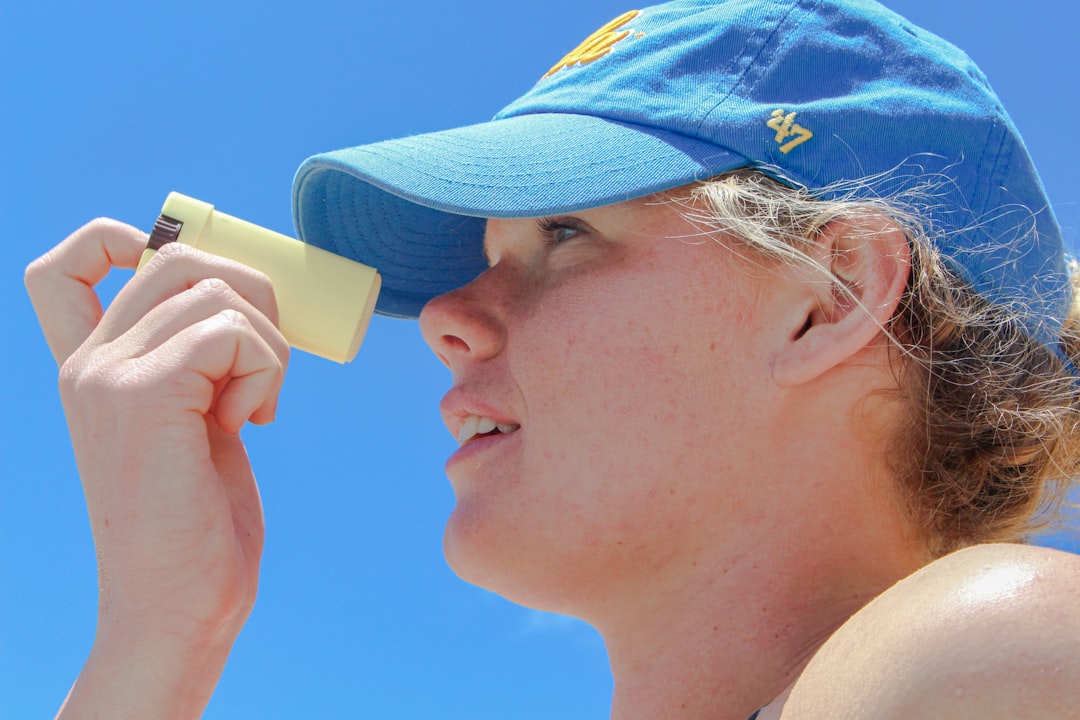
Sunscreen reapplication during office hours doesn’t have to disrupt your professional appearance or skincare routine. Studies show that even indoor workers receive significant UV exposure through windows, making consistent protection essential for maintaining healthy, radiant skin throughout your career.
• Quick, makeup-friendly reapplication methods for busy professionals
• Evidence-based timing and techniques for maximum protection
• Product compatibility solutions for layered skincare routines
• Practical tips that fit seamlessly into your lunch break
• Professional appearance maintenance while prioritizing skin health
Why Sunscreen Reapplication Matters for Office Workers
The misconception that indoor workers don’t need consistent sun protection has been thoroughly debunked by dermatological research. A 2015 study published in Photochemistry and Photobiology revealed that office windows block only UVB rays, allowing harmful UVA radiation to penetrate throughout the day.
UVA rays, which constitute 95% of UV radiation reaching Earth’s surface, maintain consistent intensity from sunrise to sunset. Unlike UVB rays that cause immediate sunburn, UVA penetrates deeper into the dermis, causing cumulative damage that manifests as premature aging, hyperpigmentation, and decreased skin elasticity over time.
The Two-Hour Rule: Science Behind Timing
Sunscreen effectiveness diminishes through multiple mechanisms beyond simple time passage. Chemical sunscreens undergo photodegradation when exposed to UV light, while physical sunscreens can be compromised by touch, sweat, and environmental factors. The FDA recommends reapplication every two hours for optimal protection, a guideline supported by extensive photostability testing.
For office workers, this translates to strategic reapplication during natural breaks in your schedule. Morning application at 8 AM requires refreshing by 10 AM, with subsequent applications at lunch and mid-afternoon ensuring continuous protection throughout your workday.
Understanding Your Skin Type and Sunscreen Needs
Your skin type significantly influences both sunscreen selection and reapplication strategy. Oily skin types benefit from lightweight, gel-based formulations that won’t exacerbate sebum production, while dry skin requires moisturizing formulas that provide hydration alongside protection.
Choosing Between Sunscreen and Sun Serum
Sun serums have gained popularity among professionals seeking lightweight protection that layers well under makeup. These formulations typically contain 15-30% zinc oxide or titanium dioxide suspended in a serum base, offering moderate protection with superior cosmetic elegance.
However, traditional sunscreens with SPF 30-50 provide more robust protection for extended outdoor exposure. The key lies in matching your protection level to your actual UV exposure risk. Office workers with minimal outdoor time may find sun serums sufficient for daily use, while those with window-adjacent desks or outdoor lunch routines benefit from higher SPF formulations.
7 Proven Methods for Lunch Break Sunscreen Reapplication
Method 1: The Pressed Powder Technique
Mineral powder sunscreens offer the most makeup-friendly reapplication method. These formulations contain micronized zinc oxide and titanium dioxide that provide physical UV protection while setting your existing makeup. Apply using a large, fluffy brush in gentle pressing motions rather than sweeping to avoid disturbing underlying products.
Professional makeup artists recommend focusing on high-exposure areas: forehead, nose bridge, cheekbones, and any areas where makeup has worn thin. This method requires minimal time investment while maintaining your professional appearance.
Method 2: Cushion Compact Integration
Many Korean beauty brands have pioneered cushion compacts with integrated SPF 30-50 protection. These systems allow for quick touch-ups that simultaneously refresh your base makeup and sunscreen protection. The key advantage lies in their ability to blend seamlessly with existing makeup while providing adequate UV protection for office environments.
Method 3: Setting Spray Protection
UV-protective setting sprays offer convenience but should be used as supplementary rather than primary protection. Hold the bottle 6-8 inches from your face and spray in an X-pattern followed by a T-pattern to ensure even coverage. Close your eyes and mouth during application, allowing the mist to set for 30 seconds before touching your face.
Method 4: Strategic Partial Reapplication
Focus reapplication on areas most prone to UV exposure and makeup wear: the T-zone, under-eye area, and any areas where you’ve touched your face throughout the morning. This targeted approach minimizes makeup disruption while maintaining protection where it’s needed most.
Method 5: The Sponge Blending Method
Use a damp beauty sponge to gently press liquid sunscreen into areas where makeup has worn away. This technique requires practice but allows for precise application without disturbing surrounding makeup. The moisture from the sponge helps blend the product seamlessly into existing layers.
Method 6: Layered Protection System
Combine multiple protection methods for comprehensive coverage. Start with a lightweight sunscreen or sun serum, follow with SPF-containing foundation or BB cream, and finish with mineral powder sunscreen for touch-ups. This system provides redundant protection while maintaining flexibility for reapplication.
Method 7: Quick Reset Routine
For those comfortable with minimal makeup disruption, the quick reset involves gentle cleansing of the T-zone with micellar water, followed by fresh sunscreen application and light powder to set. This method provides the most reliable protection but requires 5-7 minutes and basic makeup repair skills.
Layering Sunscreen with Your Existing Routine
Proper layering sequence ensures both product efficacy and comfortable wear throughout your workday. The fundamental rule follows the “thinnest to thickest” principle, allowing each layer to absorb properly before adding the next.
Morning Application Sequence
Begin with your antioxidant serum, such as vitamin C or niacinamide, applied to clean skin. Allow 2-3 minutes for absorption before applying sunscreen. This timing prevents product pilling and ensures optimal penetration of active ingredients. For those following a comprehensive antioxidant morning routine, proper sequencing becomes even more critical for product compatibility.
KLEORIN’s upcoming Airfit Sunscreen has been specifically formulated with madecassoside, panthenol, and hyaluronic acid to complement active ingredient routines without compromising efficacy. The lightweight texture absorbs quickly, making it ideal for professional environments where time efficiency matters.
Does Serum Under Sunscreen Reduce Effectiveness?
Research published in the Journal of the American Academy of Dermatology indicates that properly formulated serums actually enhance sunscreen performance by improving skin barrier function and hydration levels. Well-hydrated skin holds sunscreen more effectively, creating a more uniform protective layer.
However, oil-based serums or those with high concentrations of acids can interfere with sunscreen adhesion. Water-based serums with compatible pH levels integrate seamlessly with most sunscreen formulations, particularly those containing niacinamide or hyaluronic acid.
Common Mistakes to Avoid
Insufficient Application Amount
The most pervasive mistake in sunscreen reapplication involves using inadequate amounts. The standard recommendation of 2mg per square centimeter translates to approximately 1/4 teaspoon for the entire face. Most people apply only 25-50% of this amount, significantly reducing protection levels.
Makeup Contamination
Applying sunscreen over makeup without proper preparation can create an uneven, cakey appearance that compromises both protection and professional appearance. Always use clean hands or tools, and consider the compatibility between your makeup and sunscreen formulations before application.
Timing Inconsistency
Irregular reapplication patterns create gaps in protection that can lead to cumulative UV damage over time. Establishing consistent timing, such as reapplication with lunch breaks or scheduled meetings, helps maintain adequate protection levels throughout your career.
Frequently Asked Questions
How do I prevent my cushion foundation from sliding when applied over sunscreen?
The key to preventing foundation displacement lies in proper sunscreen setting time and compatible formulations. Allow your sunscreen to absorb completely (typically 5-10 minutes) before applying any makeup. Choose water-based sunscreens if you use water-based foundations, or silicone-based sunscreens for silicone-based makeup. Gently press your cushion compact rather than dragging it across the skin to minimize product disruption.
Can I use different SPF levels throughout the day for reapplication?
Yes, layering different SPF levels can actually enhance overall protection. Starting with SPF 30-50 in the morning and using SPF 15-30 for touch-ups maintains adequate protection while accommodating makeup compatibility needs. The cumulative effect provides robust UV defense without compromising your professional appearance.
What should I do if my skin feels irritated after multiple sunscreen applications?
Skin irritation from repeated application often indicates ingredient sensitivity or product incompatibility. Switch to mineral-only formulations containing zinc oxide or titanium dioxide, which are less likely to cause reactions. Consider using a gentle micellar cleanser between applications if you’re reapplying over makeup, and always patch test new products before incorporating them into your routine.
How do I maintain sun protection during video calls near windows?
Window-adjacent workstations receive significant UVA exposure throughout the day, making consistent protection crucial. Position your monitor to minimize direct sunlight on your face, and consider UV-blocking window films for your office. Maintain regular reapplication schedules even during indoor meetings, as UVA rays remain constant regardless of cloud cover or indoor lighting conditions.
Mastering sunscreen reapplication as a busy professional requires finding the balance between effective protection and practical application. Start with one or two methods that align with your current routine and gradually expand your approach as these habits become second nature. Your future skin will thank you for the consistent care and protection you provide during these crucial career-building years.
Remember that sun protection is an investment in your long-term skin health and professional confidence. With these proven methods, maintaining radiant, protected skin throughout your workday becomes an achievable part of your daily routine rather than a burdensome obligation.