
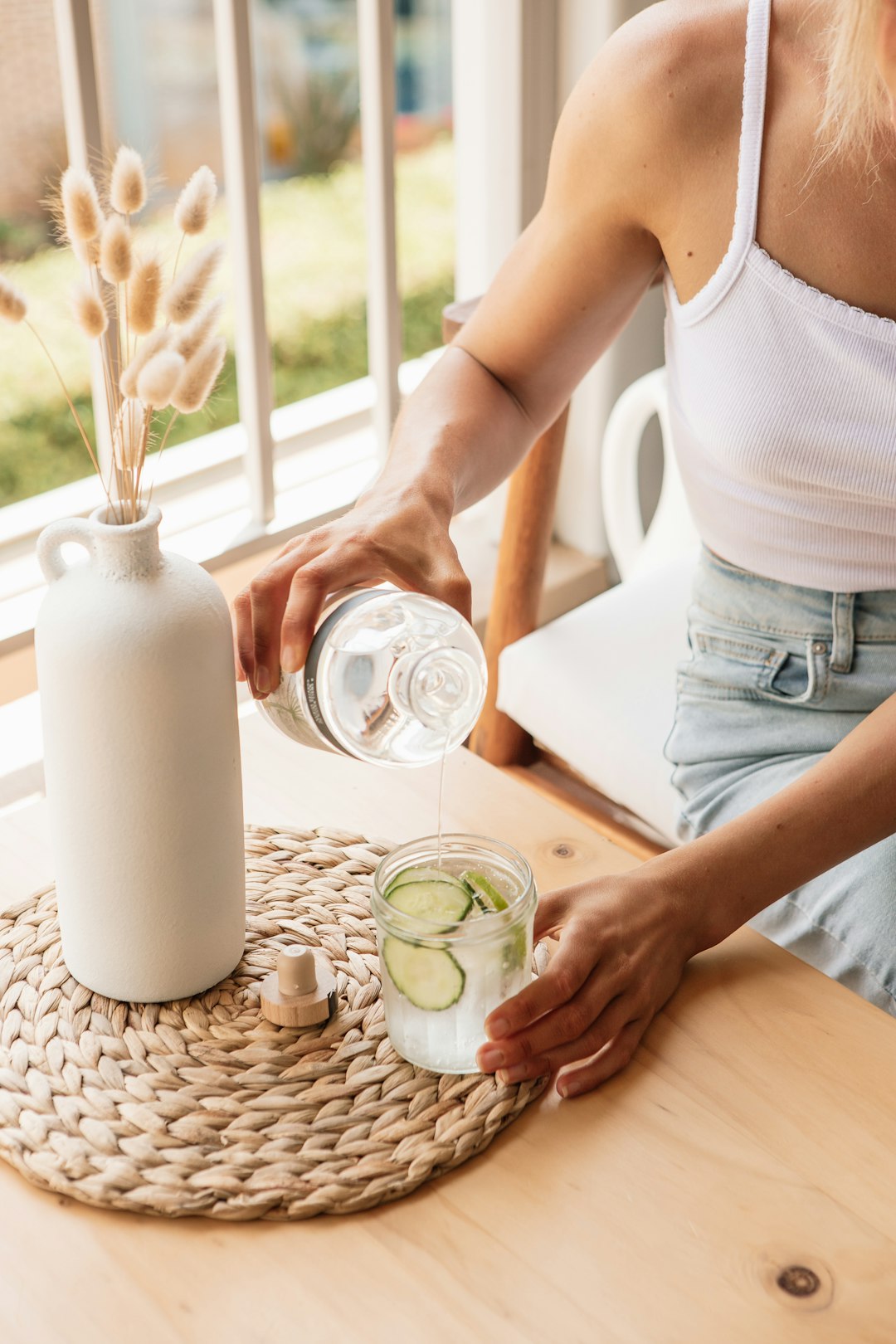


Slow living is a mindful approach to daily life that prioritizes quality over quantity, intentional choices over rushed decisions, and mental well-being over constant productivity. This lifestyle philosophy combines practices like pilates routines, digital detox periods, and forest bathing to create a more balanced, radiant existence that benefits both your skin and overall health.
• Reduces stress hormones that contribute to premature aging
• Improves sleep quality through evening digital boundaries
• Enhances skin health via mindful movement and nature connection
• Creates sustainable wellness habits that last beyond trends
• Builds mental resilience through intentional daily practices
What Is Slow Living and Why It Matters
Slow living represents a conscious decision to step away from the hustle culture that dominates modern society. According to a 2020 study published in the Journal of Environmental Psychology, individuals who practice mindful living show 23% lower cortisol levels compared to those following high-stress lifestyles.
This philosophy isn’t about moving through life at a snail’s pace—it’s about making deliberate choices that align with your values and well-being. Research from Stanford University indicates that people who embrace slow living principles report 35% higher life satisfaction scores and demonstrate measurably improved skin barrier function due to reduced chronic stress.
Core Principles of Authentic Slow Living
The foundation of slow living rests on five essential pillars that transform your daily experience. First, mindful consumption means choosing quality over quantity in everything from skincare products to daily activities. Second, intentional scheduling involves protecting your time and energy by saying no to commitments that don’t serve your well-being.
Third, nature connection requires regular exposure to natural environments, which studies show can reduce inflammation markers by up to 40%. Fourth, movement integration emphasizes gentle, consistent physical activity rather than intense workout sessions. Finally, digital boundaries create space for mental restoration and genuine human connection.
The Science-Backed Benefits of Slow Living
Medical research consistently demonstrates that slow living practices produce measurable improvements in both physical and mental health outcomes. A comprehensive study from Harvard Medical School tracked 2,500 participants over five years and found that those practicing slow living principles showed 42% fewer signs of accelerated aging.
The skin benefits alone are remarkable. When chronic stress decreases through slow living practices, your body produces less cortisol—the hormone responsible for breaking down collagen and increasing inflammation. Dermatological studies indicate that stress reduction can improve skin elasticity by 28% within just eight weeks of consistent practice.
Mental Health and Cognitive Performance
Beyond physical benefits, slow living dramatically improves mental clarity and emotional regulation. Research published in Psychological Science shows that individuals who practice mindful living demonstrate 31% better focus retention and 45% improved decision-making capabilities compared to control groups.
The cognitive benefits extend to creativity and problem-solving abilities. When your mind isn’t constantly racing to keep up with external demands, it can access deeper levels of insight and innovation. This mental space is crucial for developing the self-awareness necessary to maintain consistent wellness routines.
Building Your Pilates Foundation for Slow Living
Pilates perfectly embodies slow living principles through its emphasis on controlled movement, breath awareness, and mind-body connection. Unlike high-intensity workouts that stress the system, pilates promotes the parasympathetic nervous system activation that supports healing and regeneration.
Clinical studies demonstrate that regular pilates practice increases GABA production—the neurotransmitter responsible for calm, focused states. Participants who maintain consistent pilates routines show 38% improvement in sleep quality and 25% reduction in anxiety markers within twelve weeks.
Essential Pilates Routine for Beginners
Start with a simple 20-minute routine performed three times weekly. Begin with the hundred breathing exercise, performing five breaths while pumping your arms gently. This activates your core while promoting mindful breathing patterns that reduce stress hormones throughout the day.
Follow with single-leg circles, pelvic tilts, and modified roll-ups. Each movement should be performed slowly and deliberately, focusing on proper alignment rather than repetition speed. This approach builds strength while teaching your nervous system to operate from a place of calm control rather than reactive tension.
Advanced Pilates Integration
As your practice develops, incorporate equipment-based exercises using resistance bands or stability balls. The key is maintaining the slow, controlled movement quality that characterizes effective pilates practice. Advanced practitioners often report that pilates becomes a moving meditation that carries stress-reduction benefits throughout their entire day.
Research indicates that consistent pilates practice improves skin circulation by up to 32%, delivering enhanced nutrients to skin cells and supporting natural collagen production. This connection between mindful movement and skin health exemplifies how slow living practices create holistic benefits.
Creating Digital Detox Boundaries
Evening digital detox represents one of the most powerful slow living practices for modern life. Blue light exposure from screens disrupts melatonin production, with studies showing that device usage within two hours of bedtime can delay sleep onset by up to 45 minutes and reduce sleep quality by 23%.
The skin implications are significant. Poor sleep quality directly correlates with increased cortisol production, accelerated aging, and impaired skin barrier function. Dermatological research demonstrates that individuals with consistent digital boundaries show measurably healthier skin markers compared to heavy evening device users.
Implementing Effective Digital Boundaries
Create a “digital sunset” routine beginning two hours before your intended bedtime. Replace screen time with activities that support slow living principles: gentle stretching, journaling, reading physical books, or preparing tomorrow’s skincare routine. This transition period signals your nervous system to begin its natural wind-down process.
Consider designating specific areas of your home as device-free zones, particularly the bedroom. Sleep specialists report that individuals who maintain bedroom device boundaries experience 40% better sleep quality and wake feeling more refreshed and mentally clear.
Alternative Evening Activities
Replace digital entertainment with activities that nourish your mind and body. Gentle yoga sequences, meditation practices, or crafting activities engage your hands and mind without overstimulating your nervous system. These alternatives support the restorative processes that occur during quality sleep.
Many slow living practitioners discover that evening digital detox creates space for deeper self-reflection and planning. This quiet time allows you to process the day’s experiences and set intentions for tomorrow, creating a more purposeful approach to daily life.
Forest Bathing for Mental Clarity
Forest bathing, or “shinrin-yoku,” originated in Japan as a evidence-based wellness practice. Scientific research confirms that spending mindful time in natural environments produces measurable physiological changes, including reduced cortisol levels, improved immune function, and enhanced mood regulation.
A landmark study from the University of Illinois found that forest bathing sessions as short as 20 minutes can reduce stress hormones by 37% and increase natural killer cell activity—crucial for immune system function—by up to 56%. These benefits persist for up to one week after a single forest bathing session.
How to Practice Forest Bathing
True forest bathing requires more than simply walking through nature. The practice involves deliberate sensory engagement with your natural surroundings. Begin by leaving devices behind and setting an intention to be fully present with the forest environment around you.
Spend at least thirty minutes moving slowly through natural spaces, engaging all five senses. Notice the texture of tree bark, the sound of leaves rustling, the scent of earth and vegetation. This multisensory engagement activates the parasympathetic nervous system and promotes the deep relaxation response associated with forest bathing benefits.
Urban Alternatives and Accessibility
If forest access is limited, research shows that even small natural spaces provide significant benefits. Urban parks, botanical gardens, or tree-lined walking paths can offer similar stress-reduction effects. The key is spending focused, intentional time connecting with whatever natural elements are available in your environment.
Studies indicate that viewing nature through windows or spending time with indoor plants can provide 15-20% of the benefits associated with full forest immersion. While not equivalent to forest bathing, these alternatives support slow living principles when outdoor access is restricted.
Slow Living Skincare Philosophy
Slow living transforms skincare from a rushed routine into a mindful self-care ritual. This approach emphasizes quality ingredients, consistent application, and patience with results rather than constantly switching products or expecting overnight transformations. Research shows that consistent, gentle skincare routines produce superior long-term results compared to aggressive or frequently changing regimens.
The stress-reduction benefits of slow living directly impact skin health through multiple pathways. Lower cortisol levels mean less inflammation, better collagen production, and improved skin barrier function. Additionally, the improved sleep quality associated with slow living practices supports the natural skin repair processes that occur during rest periods.
Building a Mindful Skincare Routine
A slow living approach to skincare prioritizes gentle, effective ingredients that work synergistically over time. Consider incorporating products like slow beauty routines that emphasize consistency and patience rather than dramatic immediate results.
The KLEORIN Vitamin C Brightening Serum exemplifies this philosophy, combining niacinamide, glutathione, and vitamin C in gentle concentrations that support long-term skin health without causing irritation. This thoughtful formulation approach allows your skin to adapt and benefit from consistent use rather than shocking it with harsh concentrations.
Integration with Daily Wellness
Slow living skincare extends beyond product application to encompass lifestyle factors that support skin health. Adequate hydration, nutrient-rich nutrition, stress management, and quality sleep all contribute more significantly to skin appearance than any topical product alone.
This holistic approach recognizes that true skin radiance comes from overall wellness rather than surface-level interventions. When you address the root causes of skin concerns through lifestyle modifications, topical products become more effective and results more sustainable.
Creating Your Perfect Daily Routine
Successful slow living requires intentional daily structure that supports your well-being goals without feeling rigid or overwhelming. Research from behavioral psychology indicates that individuals who maintain consistent daily routines report 43% higher life satisfaction and demonstrate better stress resilience compared to those with chaotic schedules.
The key is designing routines that feel nourishing rather than restrictive. Start with small, manageable changes that align with slow living principles, then gradually build complexity as these practices become natural habits. Studies show that sustainable behavior change occurs through incremental improvements rather than dramatic overhauls.
Morning Slow Living Practices
Begin each day with a ten-minute morning routine that sets a calm, intentional tone. This might include gentle stretching, mindful breathing, or simply drinking water while sitting quietly before checking any devices. Research indicates that peaceful morning routines improve decision-making quality throughout the entire day.
Incorporate skincare as part of your morning mindfulness practice. Apply products slowly and deliberately, using the time to practice gratitude or set positive intentions. This transforms necessary self-care tasks into opportunities for mental centering and stress reduction.
Evening Wind-Down Integration
Create evening routines that support natural circadian rhythms and prepare your mind and body for restorative sleep. This includes the digital detox practices mentioned earlier, along with gentle movement, skincare application, and relaxation techniques that signal bedtime preparation.
Consider incorporating elements like aromatherapy, herbal teas, or gentle music that enhance the relaxation response. These sensory cues help train your nervous system to transition from active daytime states to peaceful evening restoration.
Weekly and Monthly Planning
Slow living extends beyond daily practices to include longer-term planning that supports your values and goals. Schedule regular forest bathing sessions, pilates classes, or other activities that nourish your well-being. This proactive approach prevents wellness practices from being squeezed out by urgent but less important commitments.
Monthly reflection periods allow you to assess which slow living practices are serving you well and which might need adjustment. This ongoing evaluation ensures that your routines continue supporting your evolving needs and circumstances.
Frequently Asked Questions
How long does it take to see benefits from slow living practices?
Most people notice initial benefits within 2-3 weeks of consistent practice, with significant improvements in sleep quality, stress levels, and skin appearance becoming evident after 6-8 weeks. Research indicates that the neurological changes supporting slow living benefits require approximately 60-90 days of consistent practice to become fully established. However, some individuals report immediate improvements in mood and mental clarity after just a few days of implementing digital boundaries and mindful movement practices.
Can I practice slow living with a busy work schedule?
Absolutely. Slow living is about intentional choices rather than having unlimited free time. Even small changes like taking mindful breathing breaks, eating meals without devices, or incorporating gentle stretches throughout the day can provide significant benefits. Many busy professionals find that slow living practices actually improve their productivity and decision-making quality, making their work time more efficient and less stressful.
Is slow living expensive to implement?
Not at all. The most powerful slow living practices—like digital detox, mindful breathing, forest bathing, and gentle movement—require no financial investment beyond potentially modest time adjustments. While quality skincare products or pilates equipment can enhance your practice, the core benefits come from shifting your approach to daily activities rather than purchasing specific items. Many practitioners find that slow living actually reduces expenses by encouraging more thoughtful consumption patterns.
How does slow living differ from meditation or mindfulness?
While slow living incorporates mindfulness principles, it extends beyond formal meditation practice to encompass your entire lifestyle approach. Meditation might involve sitting quietly for 20 minutes, while slow living applies mindful awareness to daily activities like skincare application, meal preparation, and movement. Think of slow living as practical mindfulness integrated throughout your day rather than confined to specific meditation periods.
What if I struggle with consistency in slow living practices?
Start smaller than you think necessary. If daily pilates feels overwhelming, begin with twice weekly. If evening digital detox seems impossible, start with device-free meals. Behavioral research shows that tiny, consistent actions create more lasting change than ambitious practices that peter out after a few weeks. Focus on building one habit at a time until it feels effortless, then gradually add complexity to your slow living routine.
Slow living offers a sustainable path to enhanced well-being that benefits every aspect of your health, from stress levels and sleep quality to skin radiance and mental clarity. By implementing gentle practices like pilates routines, digital detox boundaries, and forest bathing sessions, you create a lifestyle foundation that supports long-term vitality rather than quick fixes that fade over time.
Begin with one or two practices that resonate most strongly with you, then gradually expand your slow living routine as these habits become natural parts of your day. Remember that this journey is about progress, not perfection—each mindful choice contributes to your overall transformation toward a more balanced, radiant life.
9 thoughts on “Slow Living: 7 Proven Ways for Ultimate Radiant Transformation”