
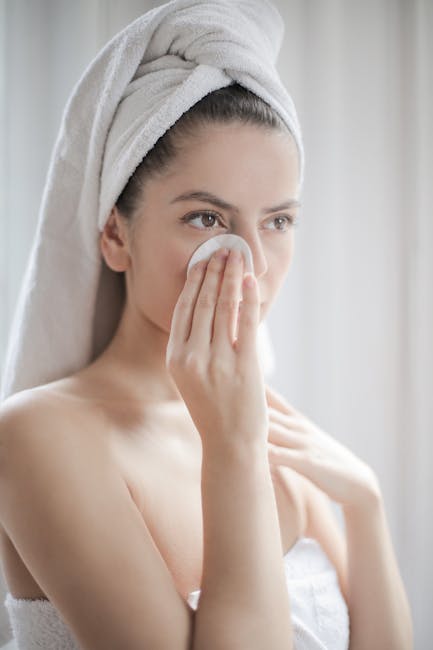
A slow skincare routine doesn’t mean complicated—it means intentional. When transitioning from spring to summer, reducing your routine to three strategic steps can actually improve your skin’s health and appearance more than layering multiple products.
Here’s what you need to know about creating an effective slow skincare routine:
- Three products can deliver better results than seven when chosen correctly
- Summer preparation requires reducing, not adding layers
- The order matters more than the number of steps
- Your 30s skin needs breathing space, not suffocation
Why Less Layering Means Better Absorption
Research published in the International Journal of Cosmetic Science shows that excessive layering can create barrier dysfunction, preventing active ingredients from penetrating effectively. When you apply more than four products in sequence, each subsequent layer reduces absorption by approximately 15-20%.
For working professionals in their 30s, this is particularly relevant. Your skin produces different amounts of sebum throughout the day, and heavy layering in humid summer conditions can lead to clogged pores and reduced cellular turnover. A slow skincare routine respects your skin’s natural rhythms while providing essential support.
The key principle: your skin can only process so much at once. Like a garden that thrives with careful tending rather than overwhelming attention, your complexion benefits from thoughtful, minimal intervention.
The Science Behind Product Interference
When multiple products compete for absorption, several issues arise:
- pH conflicts between different formulations
- Molecular size competition at the skin barrier
- Emulsifier buildup that can disrupt natural lipid balance
- Extended application time that allows oxidation of sensitive ingredients
Understanding these interactions helps explain why proper skincare layering focuses on compatibility rather than quantity.
The 3-Step Slow Skincare Routine Foundation
An effective slow skincare routine for summer preparation follows this proven sequence:
- Cleanse strategically – Remove what doesn’t serve your skin
- Treat purposefully – Address one primary concern
- Protect consistently – Shield without overwhelming
This approach aligns with dermatological recommendations from the American Academy of Dermatology, which emphasizes consistency over complexity for optimal skin health.
Why Three Steps Work Better Than More
Clinical studies demonstrate that routine adherence drops significantly when skincare involves more than four steps daily. For busy professionals, a three-step slow skincare routine offers:
- Higher consistency rates (85% vs 45% for complex routines)
- Better ingredient compatibility
- Reduced risk of over-treatment
- More time for each product to work effectively
Step 1: Strategic Cleansing for Summer Transition
Your slow skincare routine begins with purposeful cleansing. As temperatures rise and humidity increases, your cleansing strategy needs seasonal adjustment. The goal isn’t just removing makeup and sunscreen—it’s preparing your skin to absorb subsequent treatments effectively.
Single Cleanse vs Double Cleanse: The 30s Decision
For dry skin types in their 30s, the double cleanse debate has a clear answer: it depends on your day. Heavy makeup, water-resistant sunscreen, or polluted urban environments may require oil cleansing followed by a gentle cleanser. However, on minimal makeup days, a single, effective cleanser prevents over-stripping.
Consider these factors when choosing your cleansing approach:
- Morning routines typically need only gentle cleansing
- Evening cleansing should match the day’s buildup
- Dry skin types benefit from milk or cream cleansers over foaming formulas
- Summer heat may require slightly more thorough cleansing than winter
Cleansing Oil vs Milk for Dry Skin
Evening cleansing for dry skin in your 30s presents two excellent options:
Cleansing Oil Benefits:
- Effectively removes sunscreen and makeup without harsh rubbing
- Maintains skin barrier integrity
- Can be used alone for thorough cleansing
- Less likely to cause tightness or irritation
Cleansing Milk Advantages:
- Provides gentle hydration during cleansing
- Better for sensitive or reactive skin
- Creates a comfortable, non-greasy finish
- Excellent for morning use in summer
Step 2: One Targeted Treatment Product
The second step in your slow skincare routine should address your primary skin concern with one carefully chosen treatment product. This could be a vitamin C serum for brightening, niacinamide for pore refinement, or a hydrating essence for barrier support.
KLEORIN’s Vitamin C Brightening Serum exemplifies this targeted approach, combining niacinamide, glutathione, and vitamin C in one formulation rather than requiring separate products for each ingredient.
Choosing Your Single Treatment
For summer preparation, prioritize treatments that:
- Address photo-damage prevention or repair
- Support skin barrier function in changing humidity
- Provide antioxidant protection against environmental stress
- Maintain hydration without heaviness
The beauty of a slow skincare routine lies in giving this single treatment time to work. Apply it to clean skin, allow 2-3 minutes for absorption, then proceed to protection.
Timing and Application
Morning treatment application should occur 15-20 minutes before sun protection to ensure proper absorption. Evening treatments can work overnight without interference from multiple competing products.
Step 3: Protection That Seals Without Suffocating
The final step in your slow skincare routine serves dual purposes: sealing in your treatment while protecting against environmental damage. This typically means moisturizer in the evening and sunscreen during the day.
Summer protection requires balancing coverage with breathability. Heavy creams that work in winter can clog pores and feel uncomfortable in humid conditions. Look for formulations that provide protection without creating a suffocating layer.
Morning vs Evening Protection
Morning Protection Strategy:
- Broad-spectrum SPF 30 minimum
- Lightweight texture that layers well under makeup
- Antioxidant enhancement for pollution protection
- Water resistance if you’ll be active outdoors
Evening Sealing Approach:
- Moisturizer appropriate for your skin type and climate
- Ingredients that support overnight repair
- Texture that absorbs fully without pillow transfer
- Compatible with your chosen treatment product
Adjusting Your Routine for Spring-Summer Transition
A true slow skincare routine adapts to seasonal changes without dramatic overhauls. As you transition from spring to summer, make subtle adjustments within your three-step framework:
Texture Modifications
Spring to summer transition often requires shifting toward lighter textures:
- Replace cream cleansers with lighter milk formulations
- Switch from heavy serums to lightweight essences
- Choose gel or lotion moisturizers over rich creams
- Upgrade to higher SPF or more water-resistant formulas
These changes maintain your routine’s structure while accommodating increased temperature and humidity.
Frequency Adjustments
Summer heat may require slight frequency modifications:
- Increase cleansing thoroughness on high-pollution days
- Apply treatment products slightly more frequently if your skin tolerates it
- Reapply sun protection every 2 hours during extended outdoor exposure
The goal remains consistency within your three-step structure, not adding complexity.
Common Layering Mistakes to Avoid
Even with a streamlined slow skincare routine, certain mistakes can undermine your results:
Timing Errors
Rushing between steps prevents proper absorption. Allow each product 2-3 minutes to settle before applying the next. This is particularly important for treatment products that need time to penetrate effectively.
Seasonal Stubbornness
Continuing winter formulations through summer heat can clog pores and create discomfort. Your slow skincare routine should evolve with the seasons while maintaining its essential structure.
Overcomplicating Success
When your three-step routine produces good results, resist the urge to add “enhancement” products. This often disrupts the balance you’ve achieved and can lead to irritation or reduced efficacy.
Research from the slow beauty movement demonstrates that consistent, minimal routines often outperform complex regimens in long-term skin health outcomes.
FAQ: Slow Skincare Routine Questions
Is three steps really enough for anti-aging in your 30s?
Yes, when chosen strategically. A targeted treatment serum addressing your primary concern, combined with consistent cleansing and protection, provides excellent anti-aging benefits. The key is consistency over complexity—daily use of three effective products outperforms sporadic use of seven products.
How do I know if I’m over-layering my skincare?
Signs of over-layering include products pilling or not absorbing, increased breakouts despite using quality products, skin feeling sticky or heavy hours after application, and makeup not sitting well over your routine. If you experience these issues, simplify to three steps.
Should I change my entire routine for summer?
No, maintain your three-step structure but adjust textures and formulations. Switch to lighter versions of your existing product categories rather than completely changing your approach. This maintains skin stability while accommodating seasonal needs.
Can I use the same routine morning and evening?
The structure remains the same—cleanse, treat, protect—but specific products should differ. Morning routines focus on antioxidant protection and sun defense, while evening routines can include repair-focused treatments and richer moisturizers.
What if my skin needs extra help during seasonal transition?
Before adding products, optimize your current three steps. Ensure you’re using the right formulations for the season, applying products correctly, and giving adequate time between steps. If issues persist, consider upgrading one product rather than adding steps.
A slow skincare routine honors both your skin’s natural rhythms and your busy lifestyle. As you prepare for summer, remember that reducing layers often means increasing effectiveness. Your skin doesn’t need rescuing—it needs thoughtful support through seasonal changes.
Start with these three strategic steps, observe how your skin responds, and trust that consistent, intentional care delivers better results than complicated routines that are hard to maintain.